
Viewing 25 - 30 out of 43
Veterinary Topics

Feline
Hairballs
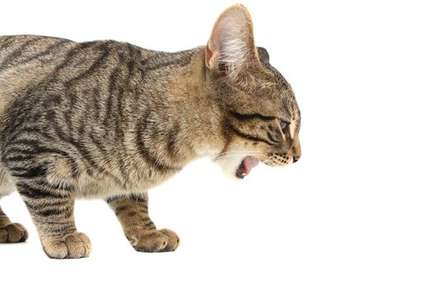
Cat owners are all too familiar with that distinctive sound that cats making when trying to expel a hairball, often in the middle of the night. However, did you know that coughing up hairballs is crucial to your cat? The inability to do so can result in a deadly intestinal blockage. Anatomy of a Hairball Cats’
Feline
Gastrointestinal Issues
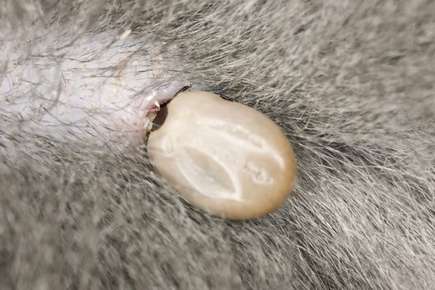
Cats generally face the same gastrointestinal problems that humans or other animals do. If your cat has frequent diarrhea or episodes of vomiting, or other gastrointestinal (GI) issues, make an appointment with your feline veterinarian immediately. Here are a few common GI problems many cats face. Inflammatory
Feline
Fleas and Ticks
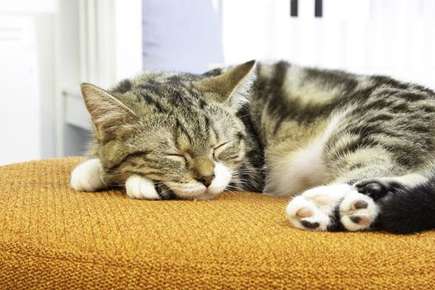
Fleas and ticks are very common in animals with fur. They hop onto your cat and make their way to the skin of the animal, where they proceed to feed on your pet’s blood. They also find your cat’s warm, soft fur to be the perfect breeding ground. Fleas can be obtained when cats go outdoors or come
Feline
Feline Pancreatitis
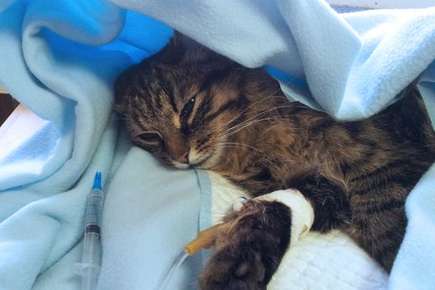
Pancreatitis is rare in cats, but can be very serious. It comes in two forms: chronic and acute, with chronic being more common for cats. The disorder happens when something triggers the pancreas to start destroying its own tissue. Function of the Pancreas This V-shaped organ is small—a cat’s pancreas
Feline
Feline Leukemia Virus (FLV)
Feline leukemia virus (FeLV) is a retrovirus that, like feline immunodeficiency virus (another retrovirus), produces an enzyme known as reverse transcriptase, which allows the retrovirus to inject duplicates of its own genetic matter into the cells it has corrupted. Though closely related, because a

Feline
Feline Infectious Peritonitis
Feline infectious peritonitis (FIP) is a terminal disease that affects cat. Caused by feline infection peritonitis virus (FIPV), it is a mutation of feline enteric coronavirus (FECV) and is more likely to occur in environments where large groups of cats are together, such as animal shelters. The virus
OFFICE HOURS
Our Regular Schedule
Monday
08:00 am - 05:30 pm
Tuesday
08:00 am - 05:30 pm
Wednesday
08:00 am - 05:30 pm
Thursday
08:00 am - 05:30 pm
Friday
08:00 am - 05:30 pm
Saturday
Closed
Sunday
Closed
LOCATION
Find us on the map
Address
1003 Main Street East,
New Prague, MN 56071
Contact Information