
Viewing 1 - 6 out of 6
Veterinary Topics
Feline
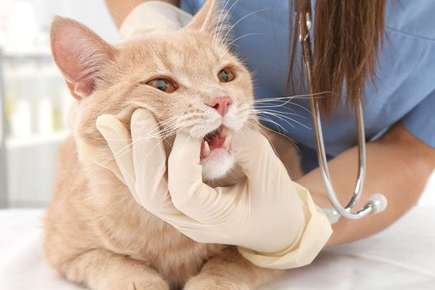
Oral Health for Felines
In addition to nutrition and weight management, oral care is another component that plays a part in a cat’s overall health. By lessening plaque buildup and stopping the plaque from forming dental tartar, you can prevent or control periodontal (gum) disease in your cat. Destruction of the teeth, tongue,

Feline
Feline Stomatitis: Treatments
Cats rarely display their pain, but cats with feline stomatitis are often the exception. If your cat appears to have mouth pain, is reluctant to eat, doesn't want to groom, is drooling, and doesn't want you to open its mouth, it may be suffering from this debilitating, degenerative oral condition, and

Feline
Hairballs
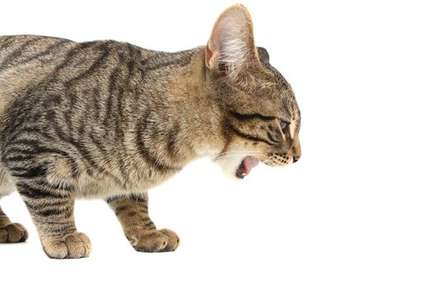
Cat owners are all too familiar with that distinctive sound that cats making when trying to expel a hairball, often in the middle of the night. However, did you know that coughing up hairballs is crucial to your cat? The inability to do so can result in a deadly intestinal blockage. Anatomy of a Hairball Cats’
Feline
Gastrointestinal Issues
Cats generally face the same gastrointestinal problems that humans or other animals do. If your cat has frequent diarrhea or episodes of vomiting, or other gastrointestinal (GI) issues, make an appointment with your feline veterinarian immediately. Here are a few common GI problems many cats face. Inflammatory

Pet Health
Bloat and Gastric Torsion
Bloat and gastric torsion is a serious condition and your pet should be rushed to the emergency room if this occurs. Certain breeds of dogs with deep chests and narrow waists, such as hounds, bouvier des Flandres, or doberman pinschers are more susceptible to a syndrome of gastric torsion and bloat. This

Pet Health
Gastric Dilation Volvulus (GDV)
Gastric Dilation Volvulus (GDV) is a life threatening, acute condition that requires immediate medical attention. Certain breeds are more prone to this condition: Boxers, Great Danes, Standard Poodles, Saint Bernards, Irish Setters, Dobermans, Weimaraners and Gordon Setters. These breeds are considered
OFFICE HOURS
Our Regular Schedule
Monday
08:00 am - 05:30 pm
Tuesday
08:00 am - 05:30 pm
Wednesday
08:00 am - 05:30 pm
Thursday
08:00 am - 05:30 pm
Friday
08:00 am - 05:30 pm
Saturday
Closed
Sunday
Closed
LOCATION
Find us on the map
Address
1003 Main Street East,
New Prague, MN 56071
Contact Information