
Viewing 43 - 48 out of 184
Veterinary Topics
Feline
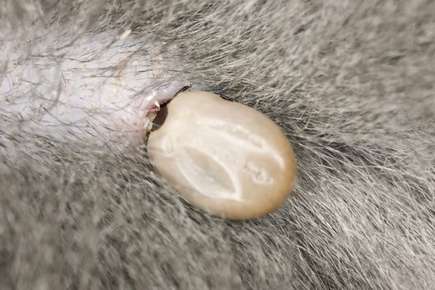
Fleas and Ticks
Fleas and ticks are very common in animals with fur. They hop onto your cat and make their way to the skin of the animal, where they proceed to feed on your pet’s blood. They also find your cat’s warm, soft fur to be the perfect breeding ground. Fleas can be obtained when cats go outdoors or come
Feline
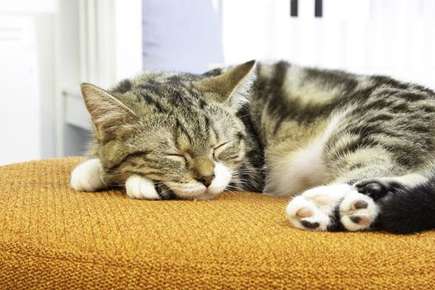
Feline Pancreatitis
Pancreatitis is rare in cats, but can be very serious. It comes in two forms: chronic and acute, with chronic being more common for cats. The disorder happens when something triggers the pancreas to start destroying its own tissue. Function of the Pancreas This V-shaped organ is small—a cat’s pancreas
Feline
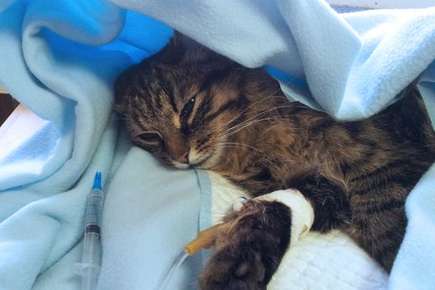
Feline Leukemia Virus (FLV)
Feline leukemia virus (FeLV) is a retrovirus that, like feline immunodeficiency virus (another retrovirus), produces an enzyme known as reverse transcriptase, which allows the retrovirus to inject duplicates of its own genetic matter into the cells it has corrupted. Though closely related, because a

Feline
Feline Infectious Peritonitis
Feline infectious peritonitis (FIP) is a terminal disease that affects cat. Caused by feline infection peritonitis virus (FIPV), it is a mutation of feline enteric coronavirus (FECV) and is more likely to occur in environments where large groups of cats are together, such as animal shelters. The virus
Feline
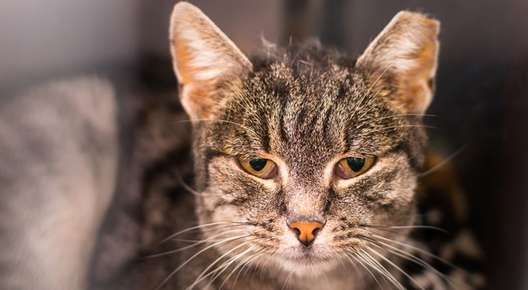
Feline Immunodeficiency Virus (FIV)
Feline immunodeficiency virus (FIV) is a type of virus that weakens a cat’s immune system and makes it difficult for the cat to fight other infections. This virus affects only felines. Spread of FIV Between 1.5 and 3 percent of healthy cats in the United States are infected with FIV. Cats that roam

Feline
Feline Diabetes
Diabetes mellitus is a common disease in which a cat’s body does not make enough insulin or has difficulty using it. This hormone is produced in the pancreas. Its job is to help move glucose from the bloodstream into the body’s cells to provide them with a source of energy. Many cats with diabetes
OFFICE HOURS
Our Regular Schedule
Monday
08:00 am - 05:30 pm
Tuesday
08:00 am - 05:30 pm
Wednesday
08:00 am - 05:30 pm
Thursday
08:00 am - 05:30 pm
Friday
08:00 am - 05:30 pm
Saturday
Closed
Sunday
Closed
LOCATION
Find us on the map
Address
1003 Main Street East,
New Prague, MN 56071
Contact Information